 Blog
Blog
Blog
Blog
The war intensified. Oil hit $110. Gold fell 5%. History says buy.
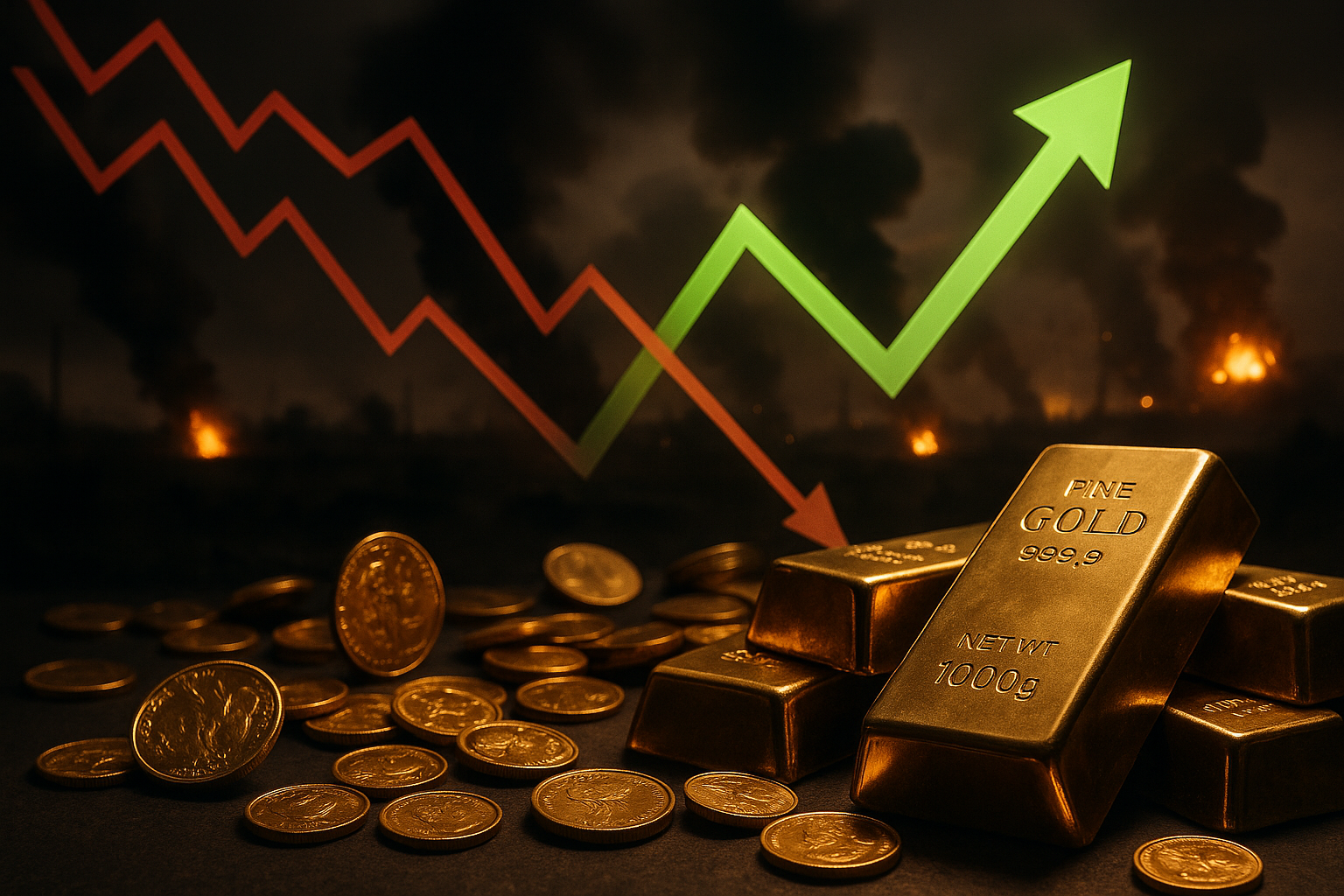
On the night of February 28, gold surged $200 in hours — from $5,100 to over $5,300 — as US and Israeli forces struck Iran and killed Supreme Leader Khamenei. It was one of the most dramatic single-session moves in gold market history.
Then something happened that confused everyone.
Over the next ten days, as the war intensified — as the heaviest strikes in US history rained down on Iran, as missiles hit Mina Salman Port in Bahrain, as the Strait of Hormuz closed and 200+ ships wandered aimlessly — gold fell.
By March 9, gold had dropped roughly 5%, snapping a four-week winning streak. While bombs fell, gold fell too.
If you're in Bahrain watching this unfold from your window, that feels insane. But it's not. It's a pattern — and it's one of the most reliable buying signals in gold market history.
Three forces pushed gold down at the same time:
When oil surges — Brent crude went from $70 to over $110 per barrel — the US dollar tends to strengthen. Energy-importing nations scramble to buy dollars to pay their fuel bills. A stronger dollar mechanically pushes gold prices down, since gold is priced in dollars.
Oil at $110 means inflation is coming — or rather, more inflation. Markets began pricing in the possibility that central banks would be forced to raise rates or at least hold them higher for longer. Higher rate expectations are bearish for gold in the short term.
When markets panic across the board — stocks down 400+ points on the Dow, oil whipsawing 29% in a single session — hedge funds sell whatever is liquid to cover losses elsewhere. Gold is liquid. It gets sold first, bought back later. This is exactly what happened during COVID in March 2020.
The last time oil prices surged due to Middle East conflict while inflation was already elevated, gold went from $35 to $850 — a 2,300% gain. That was the 1970s oil embargo and the stagflation that followed. The pattern is the same: oil shock → stagflation → gold explosion.
This isn't speculation. It's history.
August 1990 — Gulf War Invasion
Gold spiked on Saddam's invasion of Kuwait, then pulled back 15% over the next month as the dollar strengthened. Within 12 months, gold was higher. Within 18 months, substantially higher.
March 2003 — Iraq War
Gold dipped 8% after the initial "shock and awe" as markets priced in a quick US victory. The war dragged on. Gold rallied from $330 to $1,900 over the following years.
March 2020 — COVID Crash
Gold crashed alongside everything else — dropping 12% in days. Within 5 months, it hit an all-time high of $2,075. The dip was pure liquidation, not a change in fundamentals.
February 2022 — Russia-Ukraine
Gold surged above $2,050 on the invasion, then pulled back below $1,900 as the dollar strengthened on oil fears. Within two years, gold was above $2,400.
March 2026 — Iran War (now)
Gold surged to $5,300+ on the Feb 28 strikes, pulled back ~5% as oil drove dollar strength. Banks still target $6,000+. The pattern is identical.
Here's what the financial press is talking about right now: stagflation.
The Guardian, the New York Times, and Bloomberg have all used the word this week. Goldman Sachs estimates oil above $100/barrel could push global inflation up by 0.8% while slowing growth.
Stagflation is when:
This trap is where gold thrives. When central banks have no good options, when currencies are being debased by inflation they can't control, physical gold becomes the only asset that sits outside the system entirely.
The 1970s stagflation — triggered by an oil embargo in the Middle East — produced the greatest gold bull run in history. We may be watching the setup for the next one.
As of March 12, 2026:
Both scenarios — escalation or de-escalation — are bullish for gold. If the war escalates, safe-haven demand surges. If it de-escalates, the economic damage is already done: oil above $100, supply chains shattered, stagflation baked in.
You are living inside this story. Missiles have hit Bahrain's port. The Strait is closed. Flights are grounded. Your cost of living is rising. If you're thinking about gold, the question isn't whether to buy — it's whether you want to buy at $5,100 or at $6,000.
Physical gold held in your hands cannot be frozen, hacked, blocked, or devalued by central bank policy. In a region where banks, shipping, and airspace can shut down overnight, that matters.
الحرب اشتدت. النفط وصل ١١٠$. الذهب انخفض ٥٪. التاريخ يقول: اشترِ.
في ليلة ٢٨ فبراير، ارتفع الذهب ٢٠٠ دولار في ساعات — من ٥,١٠٠$ إلى أكثر من ٥,٣٠٠$ — حين ضربت القوات الأمريكية والإسرائيلية إيران وقُتل المرشد الأعلى خامنئي. كانت واحدة من أكثر التحركات دراماتيكية في تاريخ سوق الذهب.
ثم حدث ما أربك الجميع.
خلال الأيام العشرة التالية، بينما اشتدت الحرب — أعنف الضربات في التاريخ الأمريكي على إيران، صواريخ أصابت ميناء سلمان في البحرين، مضيق هرمز أُغلق وأكثر من ٢٠٠ سفينة تتيه بلا وجهة — الذهب انخفض.
بحلول ٩ مارس، كان الذهب قد خسر نحو ٥٪، كاسراً سلسلة مكاسب استمرت أربعة أسابيع.
إذا كنت في البحرين تشاهد هذا يحدث من نافذتك، يبدو الأمر جنونياً. لكنه ليس كذلك. إنه نمط متكرر — وواحد من أكثر إشارات الشراء موثوقية في تاريخ سوق الذهب.
ثلاث قوى ضغطت على الذهب في وقت واحد:
عندما يرتفع النفط — من ٧٠$ إلى أكثر من ١١٠$ للبرميل — يميل الدولار الأمريكي للارتفاع. الدول المستوردة للطاقة تسارع لشراء الدولارات لدفع فواتير الوقود. دولار أقوى يضغط على سعر الذهب ميكانيكياً.
نفط عند ١١٠$ يعني تضخماً قادماً. الأسواق بدأت تسعّر احتمال أن تُجبر البنوك المركزية على رفع الفائدة أو إبقائها مرتفعة لفترة أطول.
عندما تنهار الأسواق — داو جونز يخسر ٤٠٠+ نقطة، النفط يتأرجح ٢٩٪ في جلسة واحدة — صناديق التحوط تبيع أي أصل سائل لتغطية خسائرها. الذهب سائل. يُباع أولاً ويُعاد شراؤه لاحقاً. هذا بالضبط ما حدث في انهيار كوفيد مارس ٢٠٢٠.
آخر مرة ارتفع فيها النفط بسبب صراع في الشرق الأوسط مع تضخم مرتفع، انتقل الذهب من ٣٥$ إلى ٨٥٠$ — ارتفاع ٢,٣٠٠٪. كان ذلك في حظر النفط السبعيني والركود التضخمي الذي تلاه.
هذا ليس تخميناً. إنه تاريخ.
الركود التضخمي (Stagflation) هو عندما يتباطأ الاقتصاد بينما ترتفع الأسعار — عادةً بسبب صدمة نفطية. هذا أفضل بيئة للذهب لأن البنوك المركزية محاصرة: لا تستطيع رفع الفائدة (الاقتصاد ضعيف) ولا خفضها (التضخم مرتفع).
غولدمان ساكس تقدر أن النفط فوق ١٠٠$/برميل قد يرفع التضخم العالمي ٠.٨٪ مع إبطاء النمو.
أنتم تعيشون داخل هذه القصة. صواريخ أصابت ميناء البحرين. المضيق مغلق. الرحلات متوقفة. تكاليف المعيشة ترتفع. السؤال ليس هل تشتري — بل هل تريد الشراء عند ٥,١٠٠$ أم عند ٦,٠٠٠$.
الذهب المادي في يدك لا يمكن تجميده أو اختراقه أو حجبه أو تخفيض قيمته بسياسات البنوك المركزية.